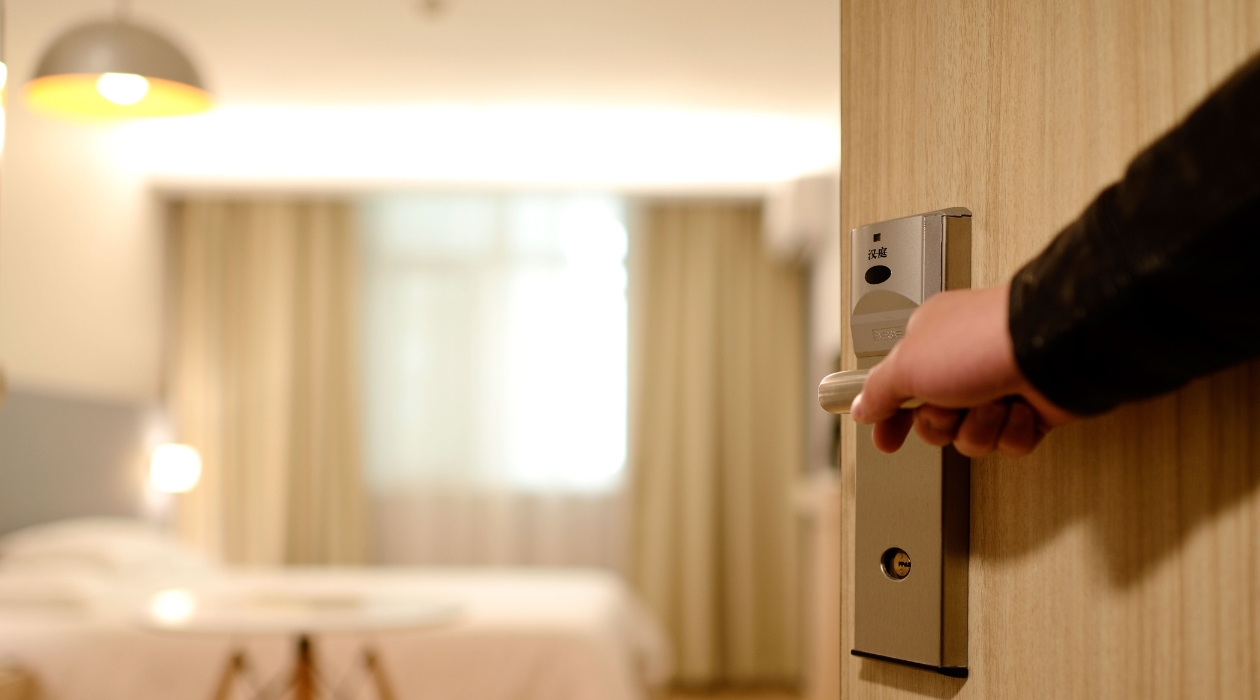
Hotel Safety: What Travel Managers Need to Know
Hotel safety incidents are currently dominating the media, with a number of serious, high-profile cases being reported worldwide.
In the UK alone, it has been reported that between January 2023 and January 2026 there were more than 4,000 cases of sexual assault occurring in hotels and other lodging accommodation1. Many more incidents are subsequently reported and shared online because guests receive no response or an inadequate response from hotel staff, customer service departments or hotel brand headquarters.
Alarmingly, around 50% of travellers report having experienced a room intrusion by another guest, or having themselves entered a hotel room that was already occupied. In many cases, this is linked to weaknesses in hotel security processes and systems.
The results from the GuestSafe Index Survey, currently being conducted by Maiden Voyage, are also telling. Approximately 33% of guests surveyed say that their room number has been communicated verbally by hotel front-desk staff, compromising guest privacy in busy hotel lobbies.
Even more concerning, more than 50% of hotel rooms reported through the survey do not have a secondary locking mechanism.
This means that a guest who has inadvertently been issued an incorrect but valid room key or someone who has access to a master key, whether for legitimate or malicious reasons could gain access to a guest’s room.
In many cases, a secondary locking mechanism could provide an additional and important layer of protection against hotel safety and room-intrusion incidents.
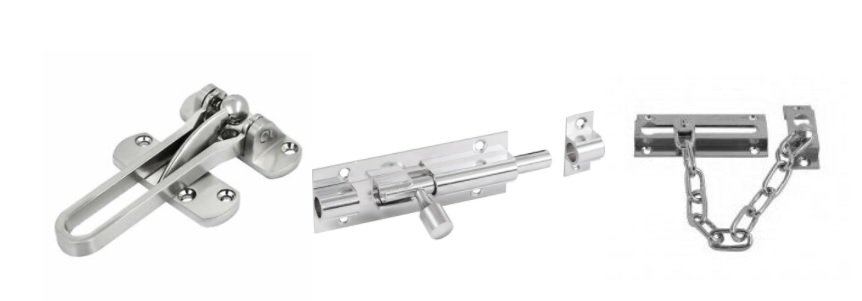
Secondary hotel door lock and deadbolt mechanism for room security
Hotel safety is a growing concern for business travel
Increasingly, Travel Managers are working with their travel management providers to identify accommodation providers with stronger security measures, removing properties where incidents have occurred, and in some cases entire hotel brand from their travel programmes.
Travel Management Companies (TMCs) are also developing enhanced processes and client support to help reduce the risks associated with hotel accommodation.
Hotel safety isn’t just about locks and key cards. Physical security measures are important, but so are the processes and people behind them. How does a hotel respond when a guest reports an incident? Is there a clear escalation process? Are front-desk staff trained to protect guest privacy? And does the property have appropriate procedures for dealing with vulnerable or at-risk travellers?
7 Practical Steps Travel Managers Can Take
1. Crowdsource hotel safety information from your employees
With limited resources and budgets, it isn’t always practical to physically inspect hotel properties for safety features such as secondary door locks, key-card lift access, room allocation above ground level or discreet check-in processes.
However, engaging your traveller community to report back on key security features can provide valuable insight into what on-property security is actually like and help you make better-informed decisions about which hotels to book.
If you don’t have the capacity to run your own hotel review process, travellers can complete the Maiden Voyage GuestSafe Index. The results of hotel safety reviews will be made available to corporate travel departments and TMCs at no cost, with traveller details anonymised to protect their privacy.
Importantly, this provides an opportunity to understand the difference between what a property says it provides and what travellers actually experience when they stay there. A hotel may confirm that a particular security feature or process is in place, but traveller feedback can help validate what happens in practice. For example, some hotels do have the technical ability to enable key-card lift access but some choose to switch this feature off.
2. Partner with your TMC for Rigorgous Screening
As part of accommodation RFPs TMCs do have a part to play in ensuring that accommodation providers are adequately screened against comprehensive hotel security checklists. A good TMC should go beyond simply asking properties to tick binary Yes/No boxes. They should ask accommodation providers to explain how security requirements are fulfilled and have the knowledge and expertise to determine what good looks like.
3. Audit Properties Continuously
Supporting a safe hotel programme cannot be a ‘one-and-done’ exercise.
Properties, processes and physical security measures change. Something as simple as the removal of secondary door locks during a refurbishment programme could fundamentally alter the security of a property.
Regular review and monitoring are therefore essential.
4. Roll-out Targeted Traveller Safety Training
Simple, memorable hotel safety tips can be invaluable to travellers, whether they are travelling for business, bleisure or leisure.
This can form part of a broader travel safety training programme or be delivered as targeted training in response to current concerns around hotel safety.
At Maiden Voyage, we’ve developed a Hotel Safety Training e-Learning module, available on both individual and corporate-wide licences. The module covers:
- Selecting an appropriately safe hotel
- Making safety requests before arrival
- Safe check-in protocols
- In-room safety
- Staying safe in hotel public areas
Women in particular frequently report concerns about hotel safety. Our Female Traveller Safety Awareness Training includes a comprehensive section dedicated to hotel safety.
5. Provide Portable Hotel Safety Devices
We recommend always sourcing hotels that provide two independent locking mechanisms. However, some preferred hotel brands or locations do not offer rooms with this level of protection.
Travellers commonly resort to placing a chair against the door or creating their own solution to secure their room and give themselves greater peace of mind.
A more proactive solution for employers is to offer travellers with a simple portable door wedge or, for something more robust, a DoorJammer to provide hotel room intrusion protection. The newly released DoorJammer 5 includes an alarm that activates if movement is detected against the hotel door.
DoorJammer has kindly extended a 10% discount to the Maiden Voyage community.
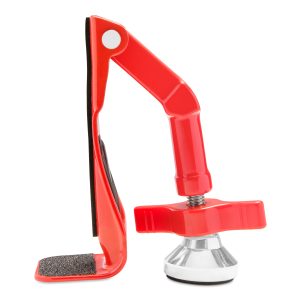
DoorJammer Portable Door Lock
6. Address Diverse Traveller Security Needs
Safety isn’t one-size-fits-all. The right accommodation for one traveller may not necessarily be appropriate for another.
Travel programmes should consider the individual needs and circumstances of travellers as part of their inclusive traveller safety policies when assessing accommodation particularly for those who may face additional risks because of their gender, identity, accessibility requirements or other personal circumstances.
A hotel that feels perfectly safe to one employee may present very different risks or concerns for another. Understanding these differences is an important part of creating a genuinely inclusive travel programme.
Note: if your travel and event policies are not yet optimised for inclusive travel safety, well can help you with our Inclusive Traveller Safety Starter Pack.
7. Establish Clear Incident Reporting and Escalation Protocols
Hotel safety doesn’t end when something goes wrong. Travel managers should also consider what happens after an incident is reported.
Travellers should know who to contact at the hotel, who to contact within their organisation or TMC, what support is available outside normal working hours and when an incident should be escalated.
Hotels should also be able to demonstrate that they have appropriate procedures for responding to incidents and supporting affected guests. The quality and speed of the response can be just as important as the security measures that were in place beforehand.
Building a Proactive Culture of Hotel Safety
We know that there is no single, failsafe solution to ensuring guest safety. Processes fail, systems fail and determined bad actors will continue to look for opportunities to commit crimes.
However, there are simple and practical steps that travel managers, TMCs and employers can take to reduce risk and give travellers greater protection when they are away from home.
Hotel safety shouldn’t be an afterthought. It should be part of your accommodation programme from the moment a property is selected and continuously reviewed thereafter as part of your company’s corporate travel duty of care protocols.
Source
1 I was in the shower when he entered’: Shocking figures expose women’s safety risks in UK hotels, Metro